
Becoming a teacher in California comes down to six decisions: what grade you want to teach, which credential that takes, whether you already qualify, which program fits your life, how you’ll pay for it, and how you’ll clear your credential once you’re in the classroom. Here’s each step in order, with links to go deeper.
Whether you’re changing careers, finishing a degree or already working as an aide or associate teacher, this guide is your starting point. Each step gives you the short answer and points you to a detailed guide when you’re ready for more.
How to Become a Teacher in California: The Short Answer
To become a teacher in California, you need a bachelor’s degree, proof of basic skills and subject knowledge, and a preliminary credential from a teacher preparation program approved by the California Commission on Teacher Credentialing (CTC). Once you’re teaching, you complete an induction program to clear your credential.
| Step | What you decide | Read more |
|---|---|---|
| 1. What to teach | Grade level and subjects | This guide |
| 2. Which credential | Multiple Subject, Single Subject or Education Specialist | Multiple Subject credential guide |
| 3. Do you qualify | Degree, basic skills, subject matter | Credential requirements checklist |
| 4. Which pathway | Traditional, residency, intern or online | Alternative certification pathways |
| 5. How to apply and pay | Program choice and funding | How to pay for a credential |
| 6. Clear your credential | Induction | Teacher induction |
Step 1: Decide What and Who You Want to Teach
Start with the classroom you picture yourself in. Do you want to teach young children every subject, or teach one subject you love to teenagers? Do you want to work with students with disabilities?
Your answer shapes everything that follows, from the credential you need to the program you choose. If you’re not sure, spend time in classrooms first. Volunteering, substitute teaching or working as an aide or associate teacher are all good ways to find out what fits.
Step 2: Choose the Right Credential
California has three main teaching credentials:
Multiple Subject: for teaching all subjects in a self-contained classroom, as in most elementary schools.
Single Subject: for teaching one subject, such as math, English or science, usually in middle and high school.
Education Specialist: for teaching students with disabilities.
If you want to teach elementary school, you’ll most likely need a Multiple Subject credential. Read what a Multiple Subject credential lets you teach to compare all three.
Step 3: Check That You Meet the Basic Requirements
Before or during your preparation program, you’ll need to:
Hold a bachelor’s degree in any subject.
Meet the basic skills requirement through the CBEST or an approved alternative, such as qualifying coursework.
Show subject matter competence through an exam such as the CSET or through qualifying coursework.
Many career changers find that their existing degree and coursework already cover some of these requirements. For every detail, use our full checklist of California credential requirements.
Step 4: Choose a Pathway
Every route leads to the same preliminary credential, but they work very differently day to day.
Traditional programs: coursework first, then a semester of student teaching, which is usually unpaid and during the school day.
Teacher residencies: you work in a classroom for the full school year with a mentor while completing coursework in the evenings, and you’re usually paid.
Intern programs: you become the teacher of record before finishing your credential, with support from your program.
Online programs: coursework happens online, but supervised teaching still takes place in a real school near you.
If you need to keep working, the format matters as much as the program itself. Compare alternative certification pathways, learn how teacher residency programs work or read about online teaching credential programs.
Step 5: Apply to a Program and Plan How to Pay for It
Once you know your pathway, compare programs on:
Approval: the program must be CTC-approved.
Schedule: daytime, evening or online.
What you earn: a credential only, or a credential plus a master’s degree.
Cost: tuition, fees and any income you’d give up.
Support: cohort size, coaching and help finding a placement.
Then build your funding plan. File the FAFSA, check whether you’re eligible for the Golden State Teacher Grant, and consider whether a paid residency could replace lost income. Read how to pay for a teaching credential in California, or see BATTI program costs.
Step 6: Start Teaching and Clear Your Credential Through Induction
When you finish your program, you’ll be recommended for a preliminary credential, valid for five years. Within that time, you’ll complete a teacher induction program, a mentored program for new teachers, to earn your clear credential.
Many public school districts offer induction. If yours doesn’t, or if you teach in an independent school, programs like BATTI’s teacher induction can help. Read 5 signs you’re ready for teacher induction to plan ahead.
How Long Does It Take to Become a Teacher in California?
If you already have a bachelor’s degree, most people need one to two years in a preparation program to earn a preliminary credential. Programs that include a master’s degree or are designed for working adults often take about two years. Induction then takes place during your first years of teaching.
BATTI’s credential and master’s program takes six semesters, about two years including summers, and residents teach in a classroom the whole time.
Becoming a Teacher in the Bay Area
California schools continue to need new teachers, especially teachers who reflect and understand the communities they serve. In the Bay Area, many independent, charter and public schools hire residents and associate teachers who are working toward their credential, so you can gain experience while you train.
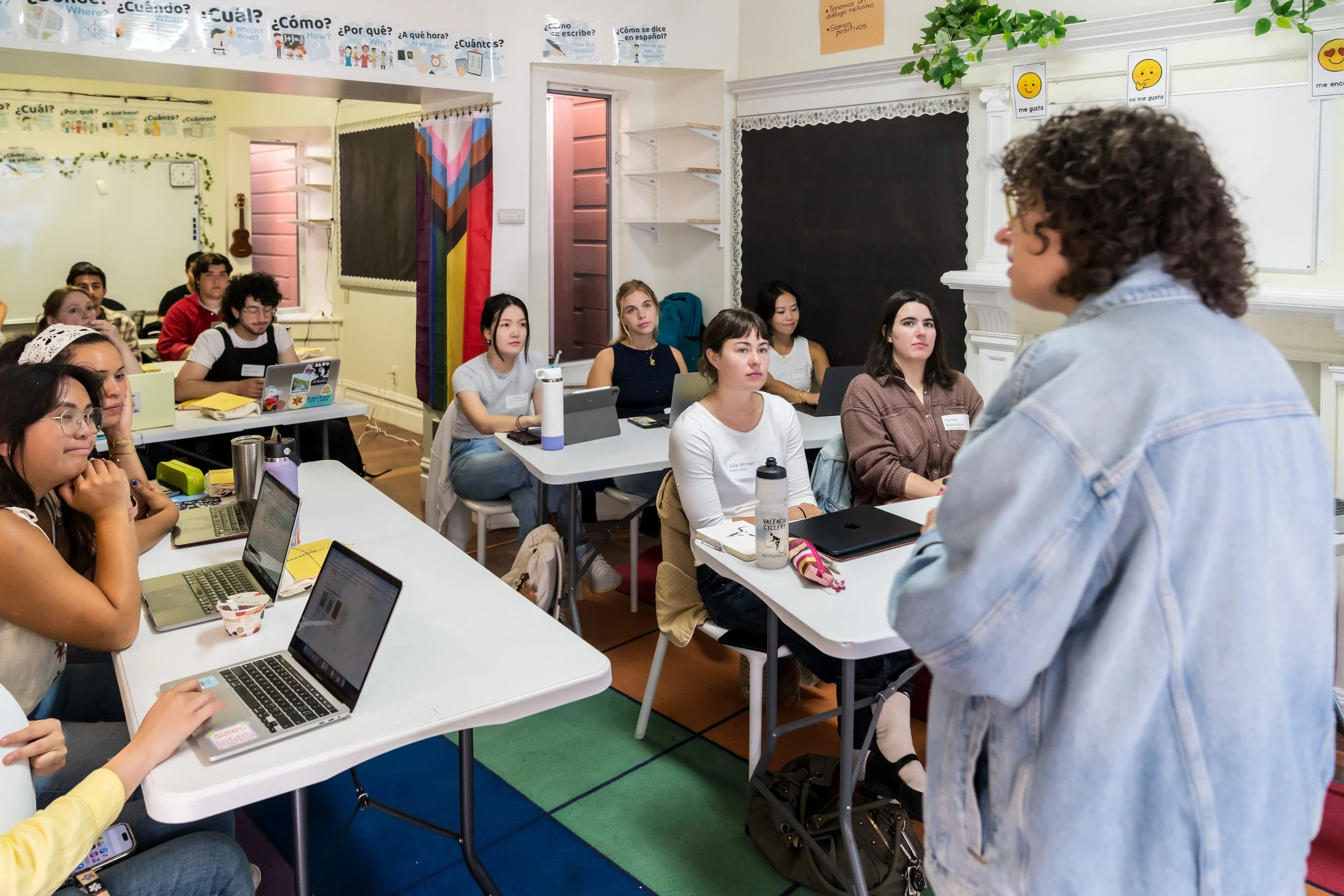
BATTI has prepared Bay Area teachers through a paid residency model since 2002. Residents attend classes in person in downtown San Francisco, or join the fully online Beyond the Bay cohort from elsewhere in California.
-
Most people need a bachelor’s degree plus a CTC-approved teacher preparation program. Program length varies; BATTI’s credential and master’s program takes two years, and residents teach in a classroom while they complete it.
-
Yes. You need a bachelor’s degree in any subject, not an education degree, plus a CTC-approved preparation program that leads to a preliminary credential.
-
Yes. Residency models like BATTI’s place you in a partner-school classroom while you take evening coursework, so you keep working and earning while you train.
-
No. A master’s degree isn’t required for a teaching credential. Many teachers earn one anyway, because it can move them to a higher pay column on district salary schedules. Read more about how much teachers make in California.
Ready to Take Step One?
BATTI’s two-year evening program pairs a paid classroom residency with a preliminary Multiple Subject credential and a Master of Arts in Education from the University of the Pacific.
Explore BATTI’s credential and master’s program, request information or attend an upcoming info session.
